historical site
Milk Monastery (Süt Tekkesi)
About this place
Discover Milk Monastery (Süt Tekkesi)
Milk Monastery (Süt Tekkesi)
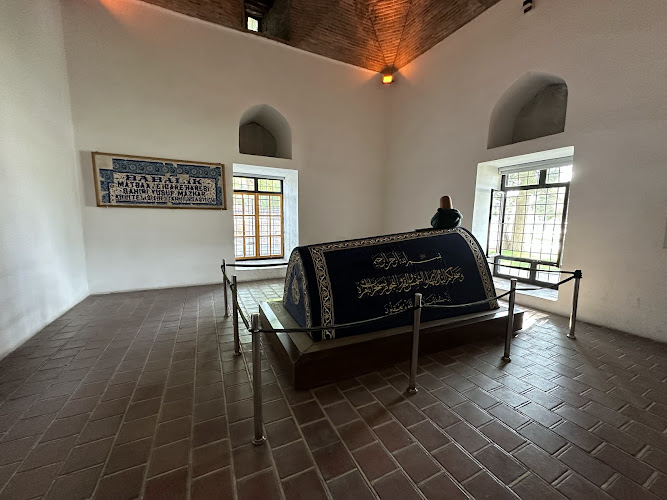
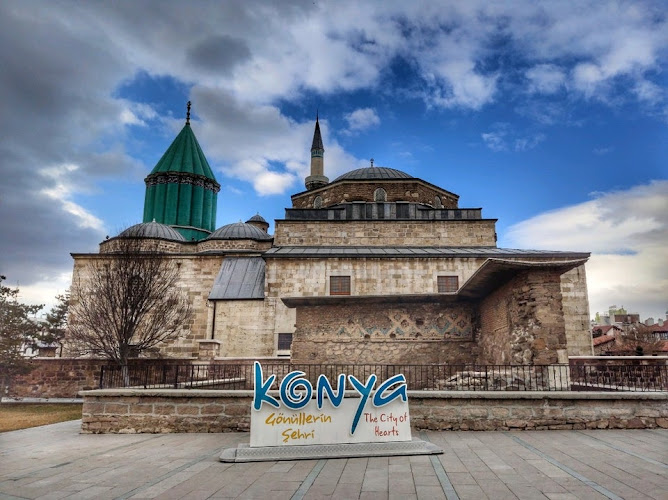
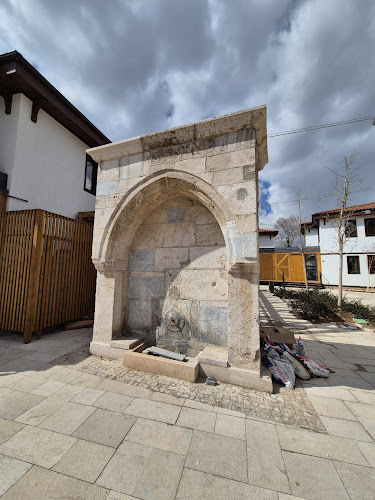
The Milk Monastery, known locally as Süt Tekkesi, is a significant historical and architectural landmark situated in the Ferhuniye neighborhood of Selçuklu, Konya, Turkey. Constructed in 1300 during the Seljuk period, this structure was commissioned as a charitable endowment by Sultan II. İzzettin Keykavus's daughter, Fatma Hatun. (sahipatamuzesi.gov.tr)
Historical Background
The Seljuk Empire, which spanned from the 11th to the 14th centuries, was a period of significant cultural, architectural, and social development in Anatolia. During this era, numerous charitable institutions, including tekkes (lodges), were established to serve various social and religious purposes. The Milk Monastery is one such institution, reflecting the philanthropic spirit of the time.
Architectural Features
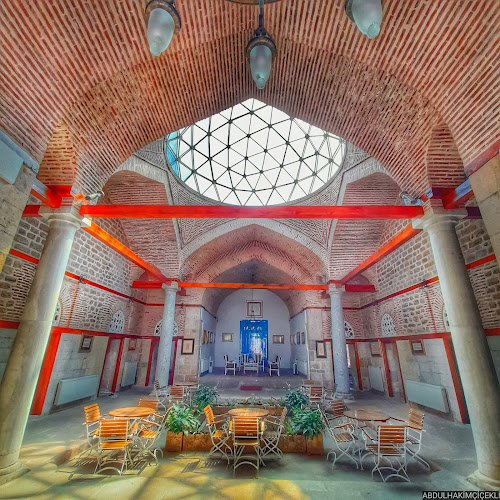
The Milk Monastery is constructed using cut and rubble stones, showcasing the typical Seljuk architectural style. It features a rectangular plan, with the exterior of the lodge resembling a traditional Konya house with an inner hall. This design reflects the architectural preferences of the early 20th century. However, during the expropriation of the fairground area, the original structure was demolished. (sahipatamuzesi.gov.tr)
Cultural Significance
The Milk Monastery holds cultural and historical significance as a testament to the Seljuk period's architectural and social developments. Its establishment by a royal figure underscores the importance of charitable institutions in the era. The structure's design and construction techniques provide valuable insights into the building practices and aesthetic preferences of the time.
Notable Events
Over the centuries, the Milk Monastery has witnessed various historical events, including changes in political regimes and urban development in Konya. Its association with Fatma Hatun, a notable figure of the Seljuk period, adds to its historical importance.
Visitor Information
While the original structure of the Milk Monastery was demolished during the expropriation of the fairground area, the site remains a point of interest for those exploring Konya's rich history. Visitors can appreciate the location's historical context and its role in the broader narrative of Seljuk architecture and culture.
Conclusion
The Milk Monastery stands as a significant emblem of the Seljuk period's architectural and cultural heritage. Its historical background, architectural features, and cultural significance make it a noteworthy landmark in Konya, reflecting the era's philanthropic endeavors and artistic achievements.
Location